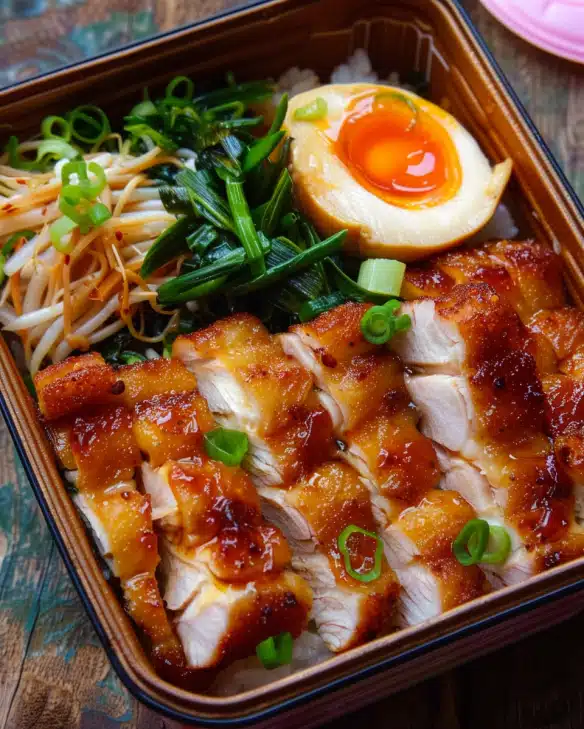
If you’re craving a roast that’s packed with flavor, tender juiciness, and that irresistible homemade touch, the Herb and Butter Roasted Turkey Parts Recipe is exactly what you need. This recipe celebrates the humble turkey by highlighting its rich natural taste, boosted with fresh herbs, lemon zest, and a luxurious butter infusion that seeps deep under the skin. Every bite offers a crispy, golden exterior with a moist, flavorful center — perfect for family dinners or festive occasions. Plus, the accompanying savory gravy made from pan drippings completes the dish in the most comforting way imaginable.
Ingredients You’ll Need

Don’t let the list intimidate you! The ingredients for this Herb and Butter Roasted Turkey Parts Recipe are straightforward and fresh, each playing a special role to create a harmony of flavors and textures. From aromatic herbs to rich butter, every component adds a layer of magic to your roast.
- Fresh turkey pieces (14-16 pounds): Ask your butcher to cut the bird into parts for even cooking and easy serving.
- Salted butter (2 sticks): Divided use—room temperature butter for herb mixing, melted butter for basting.
- Fresh chopped sage (2 tablespoons): Earthy and aromatic, sage amplifies the flavor with a subtle herbal note.
- Fresh chopped thyme (2 tablespoons): Adds a delicate, woodsy fragrance that pairs beautifully with turkey.
- Fresh parsley (3 tablespoons): Provides brightness and freshness to balance the richness.
- Lemon zest (zest of 1 lemon): Brings vibrant citrus notes that awaken the palate.
- Black pepper (1 1/2 teaspoons): Gives a gentle heat and depth to the seasoning.
- Double-lined cheesecloth (1 large piece): Keeps the turkey moist while roasting, wrapping the bird in buttery goodness.
- Yellow onions (2, quartered): Roasting alongside the turkey infuses savory sweetness into the dish.
- Shallots (2, halved): Adds mild onion flavor with a sweet undertone.
- Garlic head (1, tips sliced off): Roasts to mellow, nutty flavors that enrich the entire pan.
- Broth (6 cups): Used both for moisture during roasting and for making a flavorful gravy.
- All-purpose flour (6 tablespoons): Thickens the pan sauce into a luscious gravy.
- Dry white wine (1 cup): Adds acidity and complexity to deglaze the pan and enrich the gravy.
- Salt: Essential for balancing and enhancing the overall flavor.
How to Make Herb and Butter Roasted Turkey Parts Recipe
Step 1: Prepare Your Turkey Parts and Room Temperature
Start by asking your butcher to break down the turkey into individual pieces—breast, thighs, drumsticks, and wings—so they cook evenly and are easier to handle. Remove the turkey from the fridge about an hour before roasting to allow it to come to room temperature; this simple step helps the bird roast more evenly and maintain juiciness.
Step 2: Preheat Oven and Arrange Turkey
Set your oven to a sizzling 450° F for that perfect initial roast. Arrange the turkey parts in a large roasting pan or between two skillets to ensure the heat surrounds each piece beautifully, helping the skin crisp up gorgeously.
Step 3: Make the Herb Butter and Apply Under the Skin
In a bowl, combine one stick of room temperature butter with fresh sage, thyme, parsley, lemon zest, salt, and black pepper. Carefully lift the skin on each turkey part and spread this herb butter mixture underneath, allowing the flavors to infuse the meat directly. Don’t forget to massage some butter on top of the skin for that gorgeous golden color and extra flavor.
Step 4: Add Aromatics and Butter-Soaked Cheesecloth
Scatter quartered onions, shallots, and sliced garlic around the turkey in the pan for added aroma and tasty drippings. Melt the remaining stick of butter and soak a piece of double-layered cheesecloth in it. Lay this butter-soaked cheesecloth over the turkey pieces—it will help keep the meat moist as it roasts and intensify the buttery goodness.
Step 5: Roast and Baste
Place the roasting pan in your hot oven and roast at 450° F for the first 30 minutes to get crisp skin. Then pour in two cups of broth and reduce the heat to 400° F. Continue roasting until the internal temperature of the turkey reads 160° F on a meat thermometer. This technique ensures the turkey remains juicy with beautifully browned skin.
Step 6: Rest and Slice the Turkey
Remove the turkey from the oven and tent it loosely with foil, letting it rest for 15 minutes. Resting locks in the juices, so when you slice the meat against the grain, each piece is tender and bursting with flavor.
Step 7: Make the Pan Gravy
Strain the drippings from the roasting pan, skimming off most of the fat. Add broth so you have about four cups of liquid total. Place the pan over two burner rings, pour in half a cup of white wine, and scrape up all the delicious browned bits stuck to the pan—these bits are pure flavor gold.
Step 8: Thicken the Gravy
Add butter to the pan and whisk in the flour, cooking the mixture until golden and bubbly (about 5 minutes). Then stir in the rest of the wine and gradually add the reserved broth, whisking continuously to keep the gravy smooth. Toss in fresh sage, and cook until thickened to your liking, seasoning with salt and pepper to finish.
How to Serve Herb and Butter Roasted Turkey Parts Recipe

Garnishes
Fresh herbs like sprigs of thyme, sage, or parsley add a pop of color and a fragrant visual touch when serving. Thin lemon slices or curls of lemon zest also brighten the plate and hint at the flavors within the turkey.
Side Dishes
This recipe pairs exceptionally well with classic mashed potatoes, roasted root vegetables, or a simple green bean almondine. The buttery pan gravy tastes wonderful spooned over all sides, tying the feast together beautifully.
Creative Ways to Present
For a special touch, arrange the turkey pieces on a large wooden board surrounded by vibrant roasted vegetables and fresh herb sprigs. You can also serve the turkey parts family-style in the roasting pan right at the table, allowing everyone to ladle gravy as they please and enjoy the communal warmth.
Make Ahead and Storage
Storing Leftovers
After letting your turkey cool completely, store any leftovers in airtight containers in the refrigerator. Properly stored, the roast will stay delicious for up to four days, making it great for sandwiches or reheated dinners.
Freezing
If you want to save some for later, wrap turkey pieces tightly in foil or plastic wrap and place them in freezer bags. Frozen turkey parts remain good for up to three months, retaining most of their flavor and moisture when thawed properly.
Reheating
For tender reheating, warm turkey parts gently covered in a 325° F oven with a splash of broth or gravy to keep moisture locked in. Avoid microwaving if possible, as slow oven warming maintains texture and flavor better.
FAQs
Can I use frozen turkey parts for this recipe?
Yes! Just be sure to thaw the turkey completely in the refrigerator before beginning. Cooking from frozen will result in uneven roasting and may require a longer cooking time.
Is it necessary to use cheesecloth during roasting?
The cheesecloth soaked in butter helps the turkey stay exceptionally moist and promotes even browning. While optional, it’s a wonderful trick to elevate the juiciness and flavor of your roast.
Can I substitute fresh herbs with dried herbs?
Fresh herbs provide the best flavor and aroma, but if you must use dried herbs, reduce the quantity to about one-third and add them directly to the butter mixture. The flavor will be less vibrant but still delicious.
What temperature should the turkey reach to be safe to eat?
The turkey parts should reach an internal temperature of 160° F for safe consumption. Use a reliable meat thermometer inserted into the thickest part of the meat without touching bone.
How do I make the gravy thicker if it’s too thin?
If your gravy is too thin, whisk in a slurry made of equal parts flour and cold water, cooking it a few more minutes until it thickens. Alternatively, reduce the gravy gently over low heat to concentrate the flavors and consistency.
Final Thoughts
There’s something truly special about sitting down to a meal featuring the Herb and Butter Roasted Turkey Parts Recipe. It’s a comforting celebration of simple ingredients and classic techniques that transform turkey into a dish worthy of any occasion. Whether it’s a holiday centerpiece or a weekend family feast, you’re going to love the tender textures and herbaceous, buttery flavors bursting in every bite. Give this recipe a try — I promise it will soon become a cherished favorite in your kitchen!
Print
Herb and Butter Roasted Turkey Parts Recipe
This Herb and Butter Roasted Turkey recipe delivers tender, flavorful turkey pieces infused with fresh sage, thyme, parsley, and lemon zest. Roasted to perfection under a butter-soaked cheesecloth, the turkey stays moist and succulent. A rich, homemade white wine and herb gravy, made from the pan drippings and broth, perfectly complements the bird for a classic and satisfying meal ideal for holidays or special occasions.
- Total Time: 1 hour 40 minutes
- Yield: 8 servings
Ingredients
Turkey and Herb Butter
- 1 (14-16) pound fresh turkey, cut into pieces (breast, thighs, wings, legs)
- 1 stick (8 tablespoons) salted butter, at room temperature
- 2 tablespoons fresh chopped sage
- 2 tablespoons fresh chopped thyme
- 3 tablespoons fresh parsley
- Zest of 1 lemon
- 1 1/2 teaspoons black pepper
- Salt, to taste
For Roasting and Basting
- 1 piece large double-lined cheesecloth
- 1 stick (8 tablespoons) salted butter, melted
- 2 yellow onions, quartered
- 2 shallots, halved
- 1 head garlic, tips of the cloves sliced off
- 6 cups broth (chicken or turkey broth preferred)
For Gravy
- 4 tablespoons salted butter
- 6 tablespoons all-purpose flour
- Drippings from the turkey
- 1 cup dry white wine, divided (1/2 cup + 1/2 cup)
- 2 cups broth (reserved)
- 1 tablespoon fresh chopped sage
- Salt and black pepper, to taste
Instructions
- Prepare the turkey pieces: Ask your butcher to cut the turkey into breast, thighs, wings, and legs. Remove the turkey from the refrigerator an hour before roasting to allow it to come to room temperature, which ensures even cooking.
- Preheat and arrange: Preheat your oven to 450° F. Arrange the turkey pieces in a large roasting pan or divide them between two skillets for even roasting.
- Make and apply herb butter: In a bowl, combine 1 stick of butter with the fresh chopped sage, thyme, parsley, lemon zest, salt, and pepper. Gently lift the skin of each turkey piece by sliding your fingers between the skin and meat, then rub the herb butter under the skin and spread some of it on top of the skin to maximize flavor infusion.
- Prepare the roasting bed and cheesecloth: Surround the turkey pieces with quartered onions, halved shallots, and sliced garlic heads. Melt the remaining stick of butter. Dampen the double-lined cheesecloth with water and squeeze out excess moisture, then soak it thoroughly in the melted butter. Lay this buttered cheesecloth over the turkey pieces and drizzle any leftover melted butter on top to keep the turkey moist during roasting.
- Roast at high heat and add broth: Place the roasting pan in the oven and roast for 30 minutes at 450° F. Then add 2 cups of broth to the pan and reduce the oven temperature to 400° F. Continue roasting until the turkey reaches an internal temperature of 160° F measured with a meat thermometer, ensuring the meat is fully cooked but still juicy.
- Rest the turkey: Remove the turkey from the oven, tent loosely with foil, and let it rest for 15 minutes. This step helps redistribute juices for moist meat. After resting, transfer pieces to a cutting board and slice against the grain for tender servings.
- Make the gravy base: Strain the pan drippings and juices into a bowl, skimming off much of the fat. Add broth to the strained liquid until you have about 4 cups total of combined drippings and broth for the gravy.
- Deglaze and create roux: Place the roasting pan over two stovetop burners set to medium heat. Add 1/2 cup of the white wine to the pan, scraping the browned bits from the bottom to release concentrated flavors. Add 4 tablespoons of butter and melt completely. Stir in the flour and whisk continuously, cooking until the mixture achieves a golden color, about 5 minutes, which creates the roux needed to thicken the gravy.
- Finish the gravy: Increase heat to medium-high and slowly add the remaining 1/2 cup white wine, stirring to reduce the liquid. Gradually pour in the reserved broth mixture, whisking constantly to ensure a smooth, lump-free gravy. Stir in chopped sage and continue to cook, stirring often, until the gravy thickens to your desired consistency, about 8 to 10 minutes. Season to taste with salt and pepper.
- Serve: Ladle the warm gravy over the sliced roasted turkey parts and enjoy a flavorful, comforting meal.
Notes
- Using fresh herbs enhances the flavor dramatically compared to dried herbs. If using dried herbs, reduce quantities by half.
- Allowing the turkey to come to room temperature before roasting helps achieve even cooking and prevents dryness.
- Using a cheesecloth soaked in butter keeps the turkey moist and adds richness during roasting.
- Make sure to use a meat thermometer to check internal temperature for perfectly cooked turkey; 160° F is safe when resting because carryover cooking will raise temperature slightly.
- Deglazing the pan with white wine extracts flavorful browned bits, elevating the gravy’s depth.
- Resting the turkey before carving is essential to retain juices and tenderness.
- Prep Time: 20 minutes
- Cook Time: 1 hour 20 minutes
- Category: Main Course
- Method: Roasting
- Cuisine: American