If you’ve ever swooned over that silky, buttery goodness draped over Eggs Benedict or wished your roasted veggies had a little more decadence, this Classic Hollandaise Sauce Recipe is exactly what your kitchen has been waiting for. Bursting with bright lemon and rich egg yolks, this sauce strikes the perfect balance between tangy and creamy, elevating everything it touches into a memorable meal. It’s surprisingly simple to make and endlessly versatile—a true staple that everyone should master and share.
Ingredients You’ll Need
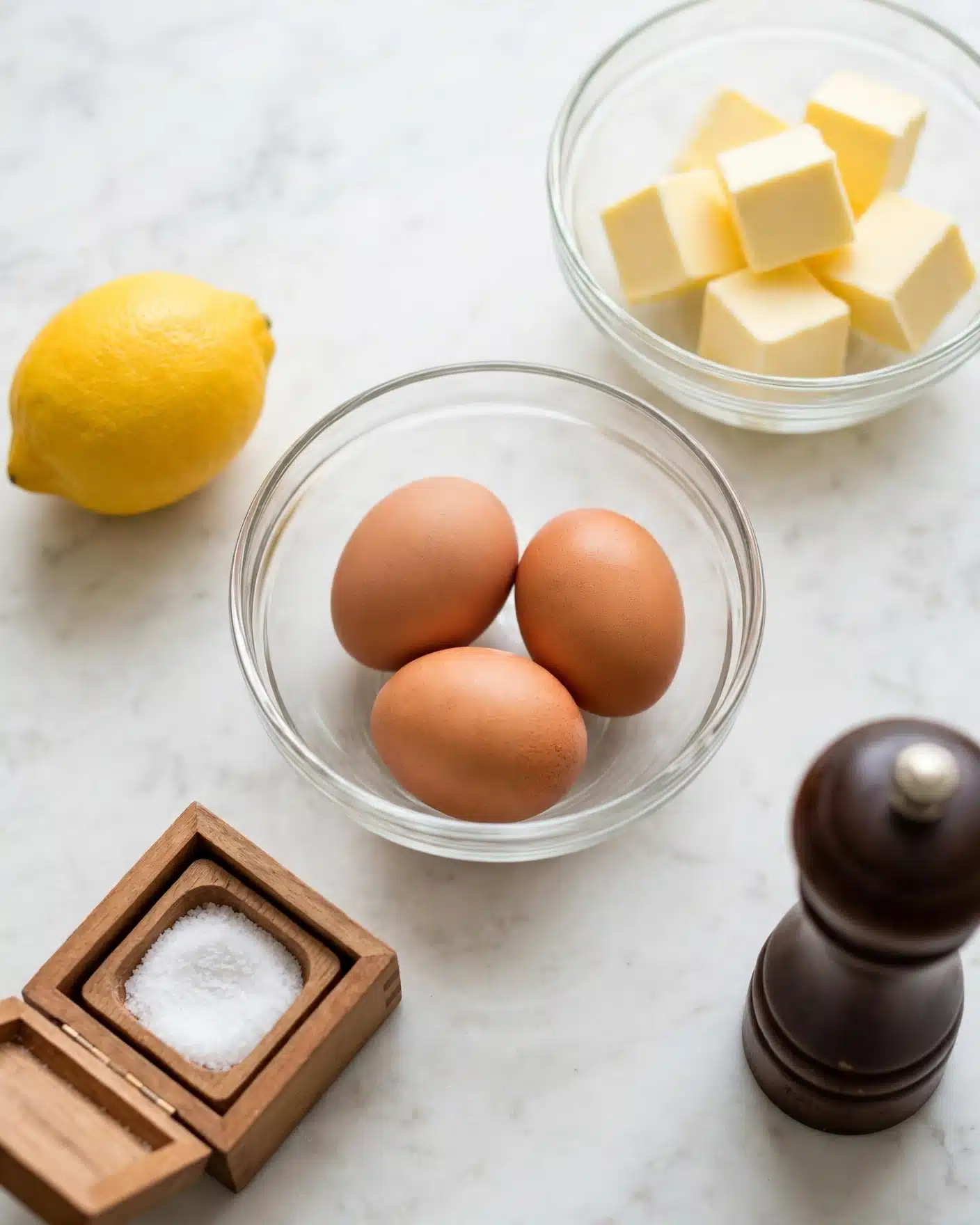
Gathering basic, high-quality ingredients is key to nailing this Classic Hollandaise Sauce Recipe. Each element plays an essential role, from creating the luscious texture to adding that fresh citrus kick that keeps the sauce light and vibrant.
- 3 large egg yolks: The rich base that gives the sauce its creamy, velvety texture.
- 1 Tbsp freshly squeezed lemon juice: Adds brightness and balances the butter’s richness perfectly.
- 1 Tbsp water: Helps create the right consistency and smoothness in the sauce.
- ¼ tsp kosher salt: Enhances all the flavors without overpowering the delicate balance.
- 1/16 tsp finely ground white or black pepper: Introduces a gentle, subtle spiciness for complexity.
- ½ cup (1 stick) unsalted butter, melted and cooled slightly: The buttery heart of the sauce, carefully incorporated for silky smoothness.
How to Make Classic Hollandaise Sauce Recipe
Step 1: Prepare Your Double Boiler Setup
Start by melting your butter and setting it aside to cool just a bit. Then, fill a medium saucepan with about 1 to 2 inches of water and place it over low heat. This gentle warmth will create the perfect environment for slowly cooking the egg yolks without scrambling them.
Step 2: Whisk the Egg Yolks and Flavorings
In a medium heatproof bowl, whisk together the 3 egg yolks until they turn smooth and pale yellow—this usually takes about 1 to 2 minutes. Next, add the freshly squeezed lemon juice, water, salt, and ground pepper, whisking just enough to combine. This mixture is the foundation that will transform into your luscious Hollandaise.
Step 3: Begin Cooking the Sauce
Add one tablespoon of the melted butter to the egg mixture right away to help stabilize it and prevent scrambling. Set the bowl over your simmering double boiler and, while constantly whisking, gently heat the mixture. It will start to foam and then thicken—think of the consistency of rich mayonnaise. This slow and steady whisking is the secret to smooth, velvety sauce.
Step 4: Incorporate the Butter Slowly
Once thickened to perfection, remove the bowl from heat to avoid overcooking. Keep whisking vigorously while drizzling in the remaining melted butter little by little. Adding the butter too fast can make the sauce runny, so patience here pays off with a beautifully emulsified sauce.
Step 5: Final Seasoning and Serving
Taste your creation and adjust the seasoning with a pinch more salt or pepper if needed. The sauce is best served immediately, but if you need to keep it warm, place the bowl back over very low heat atop the saucepan—just be cautious not to let it get too hot, or it will break.
How to Serve Classic Hollandaise Sauce Recipe

Garnishes
A sprinkle of freshly chopped herbs like chives or tarragon adds a lovely hint of color and fresh flavor to your Hollandaise. A tiny dash of smoked paprika or cayenne pepper can add subtle warmth and an intriguing aroma to the sauce.
Side Dishes
This Classic Hollandaise Sauce Recipe is a wonderful partner for asparagus, steamed broccoli, or tender green beans—simple vegetables instantly feel gourmet. It also works wonders over perfectly poached eggs or alongside grilled fish and roasted chicken to make your dinner shine.
Creative Ways to Present
Think beyond the usual breakfast plate. Try drizzling Hollandaise over roasted salmon with a sprinkle of capers or dolloping it on top of crispy potato cakes with a sprinkle of fresh dill. It also makes a fantastic dipping sauce next to spring rolls or steamed crab legs for something delightfully different.
Make Ahead and Storage
Storing Leftovers
If you happen to have any leftover Hollandaise, it’s best to store it in a tightly covered container in the refrigerator and use within one day. Because it’s an egg-based sauce, freshness is key to keeping it safe and delicious.
Freezing
Freezing Hollandaise is generally not recommended. The delicate emulsion tends to separate when thawed, which affects the texture and flavor balance that makes the Classic Hollandaise Sauce Recipe so special.
Reheating
When reheating leftover sauce, do so gently over low heat in a double boiler while whisking constantly to bring it back together. Avoid microwaving, which can cause the sauce to break or scramble. Adding a splash of warm water or lemon juice while warming can help restore creaminess.
FAQs
Can I substitute lemon juice with vinegar?
While white wine vinegar can work in a pinch, freshly squeezed lemon juice offers the bright, citrus flavor that defines the Classic Hollandaise Sauce Recipe. Using lemon keeps the sauce tasting fresh and vibrant.
What if my sauce starts to curdle or separate?
If your sauce begins to curdle, whisk in a teaspoon of warm water quickly to bring it back together. Gentle heat and slow incorporation of butter usually prevent this issue, so patience is essential.
Is it safe to eat Hollandaise sauce made with raw eggs?
This classic recipe cooks the egg yolks gently over low heat until thickened, which helps reduce risk. Using fresh, high-quality eggs and maintaining careful temperature control is important for safety.
Can I make this sauce dairy-free?
You can experiment by substituting the butter with a plant-based alternative, but keep in mind that traditional Hollandaise relies on real butter for its signature richness. The texture and flavor will be a bit different.
How long can I keep Hollandaise sauce warm before serving?
Keep the sauce warm over very low heat for up to 30 minutes, whisking occasionally. Beyond that, the risk of breaking or overcooking increases, so it’s best to prepare the sauce as close to serving time as possible.
Final Thoughts
There’s something so satisfying about mastering the Classic Hollandaise Sauce Recipe—a sauce that feels fancy but comes together with simple ingredients and a little patience. Whether you’re elevating your brunch game or adding a silky finish to dinner, this sauce is a delightful treat worth every whisk. Give it a try and watch your meals transform into something extraordinary.
Print
Classic Hollandaise Sauce Recipe
This Classic Hollandaise Sauce recipe yields a silky, buttery sauce with a perfect balance of rich egg yolks and bright lemon. Traditionally served over Eggs Benedict, it also pairs wonderfully with roasted meats, grilled fish, and seasonal vegetables, adding a luxurious touch to a variety of dishes.
- Total Time: 15 minutes
- Yield: 4 servings
Ingredients
Hollandaise Sauce
- 3 large egg yolks
- 1 Tbsp freshly squeezed lemon juice
- 1 Tbsp water
- ¼ tsp kosher salt (Diamond Crystal recommended)
- 1/16 tsp finely ground white or black pepper
- ½ cup (1 stick) unsalted butter, melted and cooled slightly
Instructions
- Melt Butter: Melt the unsalted butter in a saucepan or microwave and set it aside to cool slightly.
- Prepare Double Boiler: Fill a medium saucepan with 1 to 2 inches of water and place it over low heat, creating a gentle simmer for the double boiler setup.
- Whisk Egg Yolks: In a medium heatproof bowl, whisk the egg yolks vigorously until smooth and pale yellow, about 1 to 2 minutes.
- Add Lemon Juice, Water, and Seasonings: Whisk in lemon juice, water, kosher salt, and finely ground pepper until thoroughly combined.
- Temper Egg Mixture: Add 1 tablespoon of the melted butter to the egg mixture to prevent scrambling and to gently start the emulsification process.
- Cook Over Double Boiler: Place the bowl over the simmering water. Whisk constantly, ensuring the mixture does not overheat. The sauce will foam initially and then begin to thicken to a mayonnaise-like consistency. Monitor carefully to avoid curdling.
- Incorporate Butter: Remove the bowl from the heat. Continue whisking while slowly drizzling in the remaining melted butter a few dribbles at a time until fully emulsified, yielding a smooth, silky sauce.
- Adjust Seasoning and Serve: Taste and add additional salt or pepper if desired. Serve immediately for best flavor and texture.
- Keep Warm Option: To keep the sauce warm before serving, place the bowl back over the turned-off or very low heat saucepan, but monitor closely to prevent overheating and curdling.
Notes
- Use fresh eggs for best emulsification and flavor.
- Be cautious with heat; high temperatures can cause the sauce to curdle.
- Incorporate the melted butter slowly to maintain the sauce’s thickness and creaminess.
- If the sauce begins to separate, whisk vigorously off the heat or try adding a teaspoon of warm water to bring it back together.
- Hollandaise is best served fresh but can be kept warm briefly using a double boiler setup.
- Prep Time: 5 minutes
- Cook Time: 10 minutes
- Category: Basics
- Method: Stovetop
- Cuisine: French