There is something truly heartwarming about biting into a warm, freshly baked scone, especially when it’s made following a trusted Traditional Irish Scones Recipe. This classic treat offers a perfect balance of fluffy crumb and slight sweetness, with just the right hint of buttery indulgence. Whether you enjoy them plain or studded with currants, these Irish scones bring a comforting taste of the Emerald Isle straight to your kitchen, making any tea time feel extra special and welcoming.
Ingredients You’ll Need

This Traditional Irish Scones Recipe relies on simple pantry staples that come together effortlessly to create those tender, flaky scones we all adore. Each ingredient plays a key role, from the flour providing structure to the cold butter creating that delicate crumb, resulting in scones that are light yet satisfyingly rich.
- 3 ½ cups (497 g) all-purpose flour: The foundation for your scones, giving them body and a tender crumb.
- ¼ cup (57 g) granulated sugar: Adds subtle sweetness without overpowering the scone’s flavor.
- 5 teaspoons baking powder: The leavening agent that ensures a light and fluffy texture.
- ¼ teaspoon salt: Enhances the flavors and balances the sweetness.
- ½ cup (115 g) cold, cubed butter: Key to that melt-in-your-mouth flakiness when rubbed into the flour.
- ¾ cup (106 g) currants (optional): A traditional touch, giving bursts of fruity sweetness that elevate the scones.
- 1 large egg (room temperature): Helps bind the dough and adds richness.
- ¾ cup (180 ml) whole milk: Moistens the dough, lending tenderness and softness.
- ¼ cup (60 ml) heavy cream: Boosts richness and adds a beautiful golden color when baked.
- Egg wash: Brushed on top for that irresistible shiny, golden crust.
How to Make Traditional Irish Scones Recipe
Step 1: Prep the Oven and Baking Tray
Start by preheating your oven to 350℉ (180℃) and lining a baking tray with parchment paper. This step means your scones will cook evenly and release easily when ready.
Step 2: Combine Dry Ingredients
In a large bowl, mix together the flour, sugar, baking powder, and salt. Mixing these dry ingredients thoroughly from the start helps ensure even rising and a balanced flavor throughout every scone.
Step 3: Rub in the Butter
Next, rub in the cold, cubed butter with your fingertips until the mixture looks like coarse breadcrumbs. This is the secret to those flaky layers, so take your time or use a pastry blender for ease.
Step 4: Add Currants
Toss in the currants and make sure they are well coated with the flour mixture. This little step stops them from sinking to the bottom during baking and ensures they are spread evenly in each bite.
Step 5: Mix Wet Ingredients
In a separate bowl, whisk together the egg, whole milk, and heavy cream until fully combined. The cream adds luxury while the egg provides richness and helps the dough hold together beautifully.
Step 6: Combine Wet and Dry Ingredients
Pour the wet ingredients into the dry mix and gently combine with your hand until a soft dough forms. Be careful not to overwork the mixture; the dough should be just brought together and not sticky.
Step 7: Shape and Cut the Scones
Turn the dough out onto a floured surface and give it a very light knead to smooth it out. Pat the dough into a 1 inch (2.5 cm) thick slab before cutting out rounds with a 3 inch (8 cm) cutter. Gather the scraps, re-flatten, and repeat to maximize yield.
Step 8: Prepare for Baking
Place the scones onto your lined baking tray with a little space between each, then brush the tops generously with egg wash. This glaze will give your scones that beautiful golden-brown finish we all love.
Step 9: Bake to Perfection
Bake for approximately 35 minutes until the scones have puffed up and turned a warm, inviting golden brown. Your kitchen will start to smell heavenly—your reward is just moments away!
Step 10: Enjoy!
Remove from the oven and let the scones cool slightly before serving. Enjoy them warm, slathered with Irish butter, jam, or fresh whipped cream for a truly authentic taste experience.
How to Serve Traditional Irish Scones Recipe

Garnishes
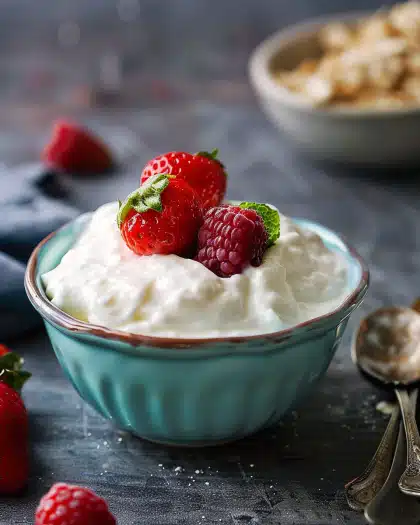
Traditional Irish scones shine when accompanied by simple, indulgent garnishes. A generous spread of freshly churned Irish butter melts into the warm scone, while your favorite homemade jam or a dollop of whipped cream adds a touch of sweetness and creaminess that creates pure comfort in every bite.
Side Dishes
Pairing these scones with a hot cup of Irish breakfast tea or a robust black tea enhances their flavor beautifully. For a heartier treat, consider serving alongside smoked salmon and cream cheese or a mild cheese platter to balance the sweetness with savory notes.
Creative Ways to Present
Want to impress guests? Stack your scones in a tower or serve them on a vintage cake stand with small bowls of clotted cream, various jams, and honey. Adding fresh berries or edible flowers to the platter brings vibrant color and an elegant touch to your tea time presentation.
Make Ahead and Storage
Storing Leftovers
If you have any leftovers from your Traditional Irish Scones Recipe, store them in an airtight container at room temperature for up to two days. This short-term storage keeps them fresh and soft—perfect for a quick snack the next day.
Freezing
For longer storage, freeze your scones in a sealed freezer bag or container. They freeze well and can be kept for up to one month. Just be sure to separate layers with parchment paper to avoid sticking.
Reheating
To bring frozen or stored scones back to life, warm them gently in a 300℉ (150℃) oven for 5–10 minutes until heated through. Avoid microwaving to maintain their delightful texture and flaky crumb.
FAQs
Can I make these scones without currants?
Absolutely! While currants add a touch of traditional sweetness and texture, you can leave them out or substitute with raisins, dried cranberries, or even chocolate chips to suit your taste.
What if I don’t have heavy cream? Can I use something else?
If you don’t have heavy cream on hand, you can use extra whole milk or even buttermilk, which will add a pleasant tanginess. Keep in mind the texture might vary slightly, but your scones will still be delicious.
Why is the butter cold and cubed? Can I melt it instead?
Using cold, cubed butter is crucial because it creates pockets of fat that melt during baking, producing a tender, flaky scone. Melted butter would make the dough denser and less flaky.
How can I make these scones fluffier?
Be gentle during mixing and kneading to avoid developing too much gluten, which can make scones tough. Also, ensure your baking powder is fresh to get the best rise.
Can I add other flavors like herbs or spices?
Definitely! Traditional Irish scones are simple, but playing with additions like lemon zest, cinnamon, or chopped fresh herbs such as rosemary can add a lovely twist without overwhelming the classic flavor.
Final Thoughts
There is so much joy in baking and sharing a freshly made batch of scones using this Traditional Irish Scones Recipe. Whether you’re creating a cozy afternoon tea or a special breakfast treat, the comforting flavors and textures offer a little piece of Ireland with every bite. Trust me, once you try this recipe, these scones will become your go-to favorite for all occasions.
Print
Traditional Irish Scones Recipe
Traditional Irish Scones are a classic bakery favorite, featuring a tender and flaky texture with a subtle sweetness balanced by plump currants. These scones are lovingly prepared with simple ingredients, baked to a golden perfection, and best served warm with Irish butter, jam, and whipped cream.
- Total Time: 50 minutes
- Yield: 8 scones
Ingredients
Dry Ingredients
- 3 ½ cups (17 ½ oz/497 g) all-purpose flour
- ¼ cup (2 oz/57 g) granulated sugar
- 5 teaspoons baking powder
- ¼ teaspoon salt
Wet and Additional Ingredients
- ½ cup (4 oz/115 g) cold butter, cubed
- ¾ cup (3 ¾ oz/106 g) currants, optional
- 1 large egg, at room temperature
- ¾ cup (6 fl oz/180 ml) whole milk
- ¼ cup (2 fl oz/60 ml) heavy cream
- Egg wash (1 beaten egg with a splash of water or milk) for glazing
Instructions
- Preheat the oven and prepare baking tray: Preheat your oven to 350℉ (180℃). Line a baking tray with parchment paper and set aside to ensure scones don’t stick.
- Combine dry ingredients: In a large mixing bowl, whisk together the all-purpose flour, granulated sugar, baking powder, and salt until evenly distributed.
- Incorporate the butter: Rub the cold, cubed butter into the flour mixture using your fingers until the texture resembles coarse breadcrumbs. Alternatively, use a pastry blender for this step.
- Add currants: Toss the currants into the flour and butter mixture, ensuring they are well coated to prevent clumping.
- Mix wet ingredients: In a separate medium bowl, whisk the egg, whole milk, and heavy cream together until fully combined.
- Form the dough: Pour the wet ingredients into the dry mix and gently combine using your hand until a dough forms. The sides of the bowl should be clean and the dough slightly sticky but manageable.
- Shape and cut scones: Lightly flour a clean surface and turn the dough onto it. Knead very lightly to smooth the dough, then pat it down to about 1 inch (2.5 cm) thickness. Using a 3 inch (8 cm) round cookie cutter, cut out scones. Gather remaining scraps, re-flatten, and cut more scones.
- Prepare for baking: Arrange the cut scones on the prepared baking tray, ensuring space between each. Brush the tops generously with egg wash to achieve a glossy golden finish.
- Bake: Place the tray in the preheated oven and bake for approximately 35 minutes, or until the scones turn golden brown and a skewer inserted comes out clean.
- Serve: Remove from oven and cool slightly. Serve warm with Irish butter, jam, and freshly whipped cream. For best taste, consume on the day of baking. Store any leftovers at room temperature in an airtight container for up to 2 days.
Notes
- For a dairy-free version, substitute milk and cream with plant-based alternatives.
- Do not overwork the dough to maintain a tender texture.
- Egg wash provides a shiny, golden top; feel free to omit if preferred.
- Ensure butter is very cold to achieve a flaky, crumbly texture.
- Currants are optional but add a traditional sweet burst. You may substitute with raisins or dried cranberries if desired.
- Use fresh or high-quality ingredients to enhance flavor.
- Prep Time: 15 minutes
- Cook Time: 35 minutes
- Category: Baked Goods
- Method: Baking
- Cuisine: Irish