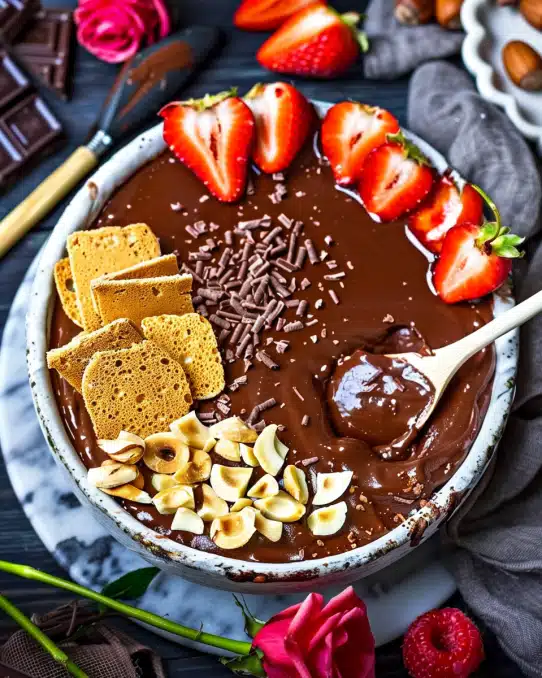
Learning How to Temper Chocolate Recipe is one of those magical kitchen skills that transforms ordinary chocolate into a glossy, perfectly textured delight that snaps when broken. Whether you are a passionate home baker or simply a chocolate lover, mastering this technique elevates your confections to another level, ensuring a smooth finish and a luscious mouthfeel that’s hard to resist. This step-by-step guide will make tempering chocolate approachable and even fun, revealing the secrets behind that professional shine and crisp bite.
Ingredients You’ll Need
Ingredients You’ll Need

The beauty of this How to Temper Chocolate Recipe is its simplicity. With just one key ingredient, you unlock a world of possibilities. Each choice of chocolate affects not only flavor but also texture and finish, so picking quality baking chocolate is essential for success.
- 16 ounces baking chocolate, finely chopped: Use good-quality bittersweet or semi-sweet chocolate blocks, finely chopped for even melting; avoid chips as they contain stabilizers that interfere with tempering.
How to Make How to Temper Chocolate Recipe
Step 1: Melt Two-Thirds of Your Chocolate Gently
Begin by melting about two-thirds of your finely chopped chocolate using a double boiler set-up to prevent overheating. Keep stirring frequently and watch your thermometer closely — aim for a temperature around 115°F but absolutely no higher than 120°F. For milk or white chocolate, keep it below 110°F. Removing the heat just right preserves the delicate cocoa butter crystals that are vital for tempering success.
Step 2: Seed in Remaining Chocolate to Cool
This is the heart of How to Temper Chocolate Recipe: gradually add the remaining third of your chopped chocolate back in as “seed.” Stir vigorously and consistently, encouraging the chocolate to cool down to approximately 84°F. Patience is key here; this slow temperature drop allows stable crystals to form, which leads to that signature glossy finish. If you want to speed things up a bit, place your mixing bowl into a careful ice bath — but don’t let any water sneak in!
Step 3: Warm Slightly to the Working Temperature
Once cooled, you’ll gently reheat your chocolate back up to around 89°F. Do this using the double boiler but be very careful — only warm it for short bursts of 5 to 10 seconds, stirring all the while to maintain an even temperature. This precise temperature range is what makes your chocolate workable and keeps it stable, so don’t let it climb above 91°F.
Step 4: Test the Temper
To ensure your chocolate is perfectly tempered, dip a small piece of parchment paper into the mixture and leave it at room temperature. Within minutes, it should harden into a smooth, glossy, and firm coating without streaks or dullness. If it’s streaky or soft, add more seed chocolate and mix until the temperature and texture improve — this is a sign you need a little more crystal encouragement.
Step 5: Maintain Your Tempered Chocolate
Tempered chocolate is a bit like a living thing; it needs to be kept at the right temperature while you work. Keep it between 84°F and 91°F, reheating gently or adding seed chocolate as needed. If it starts to cool too far below that, warming it slowly will revive it. This ensures every dip, drizzle, or mold you create stays glossy and crisp.
Optional Step: Tempering Chocolate in the Microwave
If you’re short on time, you can temper chocolate in the microwave using the “seeding” method too. Melt two-thirds of the chocolate at 50% power in 1-minute bursts, stirring between each, keeping the temperature between 100 and 110°F. Then stir in the remaining pieces gradually; the chocolate will firm up as you continue stirring until the temperature reaches the right range. This microwave shortcut is surprisingly effective when done patiently.
How to Serve How to Temper Chocolate Recipe
Garnishes
Once you have perfectly tempered chocolate, you can create dazzling garnishes. Think glossy chocolate curls, delicate shards, or smooth drizzles to adorn cakes, cupcakes, and desserts. The tempering gives your garnishes professional shine and prevents melting at room temperature, so they look elegant and last longer on your treats.
Side Dishes
Serve tempered chocolate as a dip alongside fresh fruits like strawberries, bananas, or pineapple chunks for a simple yet indulgent treat. It also pairs wonderfully with crunchy elements like toasted nuts, biscotti, or wafer cookies, creating a delightful textural balance that everyone will adore.
Creative Ways to Present
Beyond the traditional, use your tempered chocolate to coat homemade truffles, form chocolate molds, or create layered bark with nuts and dried fruits. Since the chocolate hardens so beautifully, you can make stunning bars and shapes that elevate your gift-giving or party platters to an art form.
Make Ahead and Storage
Storing Leftovers
If you find yourself with leftover tempered chocolate, store it in an airtight container at room temperature away from heat and moisture. Avoid refrigeration as it can cause the chocolate to bloom (a white, powdery surface) and lose its beautiful finish. Using it within a week will ensure the best texture and taste.
Freezing
Freezing tempered chocolate is generally not recommended as rapid temperature changes can degrade the texture and cause blooming. If you must freeze it, wrap it tightly in plastic wrap and place it in an airtight container; thaw slowly at room temperature and re-temper before using for best results.
Reheating
When reheating tempered chocolate leftovers, use the double boiler method and keep the temperature under 91°F to avoid breaking the temper. Avoid direct heat or microwaving without careful monitoring, as overheating can ruin your perfectly formed crystals and affect texture.
FAQs
What is tempering chocolate and why is it important?
Tempering chocolate involves carefully heating and cooling chocolate to stabilize its crystals. This process creates chocolate that is glossy, smooth, and snaps when broken rather than being dull and soft. It also helps the chocolate set quickly and resist melting at room temperature.
Can I use any chocolate for tempering?
While you can temper most chocolates, using high-quality baking or couverture chocolate with a good cocoa butter content yields the best results. Avoid chocolate chips or bars formulated for snacking as they often contain additives that interfere with tempering.
How long does tempered chocolate stay workable?
Tempered chocolate remains workable as long as it stays within the correct temperature range (roughly 84°F to 91°F). If it cools too much, it becomes too firm to work with; if it heats too much, it loses its temper. Stirring gently and maintaining temperature will keep it in the ideal state.
What should I do if my chocolate seizes during tempering?
Seizing happens when even a drop of water contacts the chocolate, causing it to clump. To fix this, try slowly adding a small amount of warm cream or cocoa butter while stirring to smooth it out. Prevention is better though — keep all your tools dry and avoid steam contamination during melting.
Can I temper chocolate using a microwave only?
Yes, you can temper chocolate in the microwave by melting it slowly at lower power and using the seeding method to bring down the temperature. This method requires patience and careful stirring but is a convenient alternative to the double boiler technique.
Final Thoughts
Now that you know How to Temper Chocolate Recipe from start to finish, I encourage you to dive into this rewarding process. There’s a special kind of joy in watching your chocolate transform into a shiny, crisp masterpiece with that perfect snap. Whether for dipping, baking, or decorating, tempered chocolate adds professionalism and deliciousness to any dessert you imagine. Happy chocolate crafting!
Print
How to Temper Chocolate Recipe
A detailed guide on how to temper chocolate perfectly using two methods: the traditional double boiler seeding technique and the microwave seeding technique. This recipe ensures smooth, glossy chocolate with a firm snap, ideal for dipping, coating, or molding.
- Total Time: 25 minutes
- Yield: 16 servings
Ingredients
Ingredients
- 16 ounces (454 grams) baking chocolate, finely chopped
Instructions
- Tempering Chocolate by Seeding: In a double boiler, melt two-thirds of the chopped chocolate, stirring frequently until the temperature reaches about 115°F, but no higher than 120°F. For milk or white chocolate, heat only to 110°F. Ensure all equipment is completely dry to prevent the chocolate from seizing.
- Cooling the Chocolate: Gradually add the remaining one-third of chocolate pieces to the melted chocolate, stirring vigorously and constantly to bring the temperature down to 84°F. This process usually takes about 15 minutes. To speed cooling, place the bowl carefully into an ice bath without letting any water mix with the chocolate.
- Reheating to Working Temperature: Briefly reheat the chocolate over the double boiler for 5 to 10 seconds intervals with stirring, until it reaches about 89°F. Avoid exceeding 91°F to maintain temper.
- Testing the Temper: Dip a small piece of parchment paper into the chocolate and allow it to set at room temperature. If the chocolate is smooth, firm, and without streaks or cloudiness, the temper is successful. If not, add more chopped chocolate to lower the temperature and continue stirring.
- Maintaining Tempered Chocolate: Keep the chocolate at the working temperature of around 89°F during use. If it cools too much, reheat gently. If it becomes too warm, add more seed chocolate to cool it down again.
- Tempering Chocolate by Microwave: Place two-thirds of the chopped chocolate into a microwave-safe bowl and melt at 50% power in 1-minute increments, stirring between each, until smooth and between 100°F and 110°F.
- Seeding the Chocolate: Add the remaining chopped chocolate in small amounts, stirring continuously. Ensure each addition melts completely before adding more to encourage the chocolate to thicken and become glossy.
- Final Temperature: Continue stirring until the chocolate reaches a temperature between 84°F and 91°F. Once tempered, the chocolate is ready to work with.
Notes
- Ensure all equipment is dry to avoid causing the chocolate to seize.
- Use a reliable thermometer to monitor precise temperatures at each step.
- Tempered chocolate sets with a shiny finish, snapped texture, and firm bite.
- You can temper chocolate multiple times; just maintain the appropriate working temperature.
- When using the ice bath, be very careful to keep water out of the chocolate to prevent graininess.
- White and milk chocolates require slightly lower heating temperatures than dark chocolate.
- Prep Time: 5 minutes
- Cook Time: 20 minutes
- Category: Dessert
- Method: Stovetop
- Cuisine: International