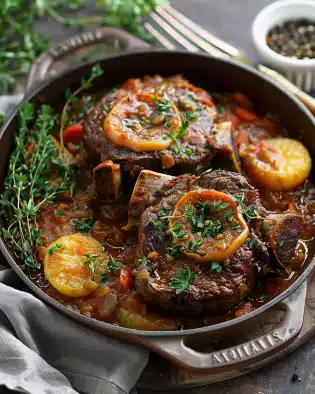
If you’ve ever dreamed of serving up a prime rib that is perfectly tender, juicy, and bursting with flavor, then you’re in for a treat with this Slow Roasted Reverse Sear Prime Rib (Oven) Recipe. It’s the ultimate way to impress your family and guests without any complicated fuss. The slow roasting gently cooks the meat evenly from edge to center, while the reverse sear at the end creates that coveted crispy, caramelized crust that really elevates every mouthful. Whether you choose a bone-in or boneless cut, this method guarantees a restaurant-quality roast that’s juicy and full of rich, beefy goodness every time.
Ingredients You’ll Need

Getting started with this slow roasted prime rib is refreshingly simple. Every ingredient plays its role in building deep flavor and achieving that perfect crust and tender interior without overwhelming the natural beauty of the beef.
- Prime rib roast (8 pounds, bone-in or boneless): The star of the show, providing that rich, tender meat that makes this dish so special.
- Kosher salt (1 tablespoon, plus more as needed): Essential for seasoning deeply and enhancing the roast’s natural flavor while drawing out moisture to help form the crispy crust.
- Fresh ground black pepper (1 tablespoon, plus more as needed): Adds a sharp, delicious kick that complements the beef perfectly without overpowering it.
How to Make Slow Roasted Reverse Sear Prime Rib (Oven) Recipe
Step 1: Season in Advance for Maximum Flavor
If you have the time, seasoning your prime rib a day ahead is a game changer. Generously coat every side of your roast with kosher salt and fresh ground black pepper and set it uncovered in the fridge. This dry brining locks in juices and builds deeper flavor, making your prime rib truly unforgettable.
Step 2: Slow Roast at a Low Temperature
Preheat your oven to 250 degrees F and ensure the top rack is centered to allow even heat circulation. Place your roast fat-side up on a wire rack over a rimmed baking sheet or the classic V-rack in a roasting pan. Patience is key here—roast the prime rib for 3 ½ to 4 hours, aiming for an internal temperature of 120°F if you prefer medium rare, 125°F for medium, or 130°F for medium well. This slow roasting lets the meat cook gently and evenly from edge to center, giving you that perfect tender texture.
Step 3: Rest and Prepare for the Reverse Sear
Once out of the oven, tent your roast loosely with foil and let it rest for at least 30 minutes. This resting period allows the juices to redistribute throughout the meat, keeping every bite juicy and flavorful. As it rests, crank your oven up to its highest temperature setting—usually around 500 degrees F—to get ready for the final sear.
Step 4: The Reverse Sear to Finish
Remove the foil and return your roast to the intense heat of the oven for 8 to 10 minutes. This blast of heat forms a deeply caramelized, crispy crust on the outside that contrasts beautifully with the tender interior. When the roast looks gorgeously browned and smells irresistible, it’s time to pull it out and rest briefly before slicing.
How to Serve Slow Roasted Reverse Sear Prime Rib (Oven) Recipe

Garnishes
A sprinkle of flaky sea salt right after carving enhances the crust’s flavor and texture wonderfully. Fresh herbs like rosemary or thyme add a lovely aromatic touch when placed around the plated slices, bringing freshness and visual appeal. For a little extra indulgence, a light drizzle of horseradish cream or au jus sauce served on the side complements the beef perfectly and elevates the dining experience.
Side Dishes
This Slow Roasted Reverse Sear Prime Rib (Oven) Recipe pairs beautifully with classic sides like creamy mashed potatoes, roasted garlic green beans, and a fresh arugula salad with a tangy vinaigrette. The simplicity of these sides lets the prime rib remain the star while creating a balanced plate full of textures and flavors. For something a touch more decadent, try truffled mac and cheese or glazed carrots.
Creative Ways to Present
For an impressive presentation, slice your prime rib thick and fan it out on a wooden carving board surrounded by colorful roasted vegetables or herb sprigs. Another fun way is to serve it as mini steak sandwiches with crusty rolls, horseradish sauce, and caramelized onions, turning this elegant meal into a casual, crowd-pleasing feast. Either way, this recipe shines whether served formally or family-style!
Make Ahead and Storage
Storing Leftovers
Wrap any leftover prime rib tightly in foil or place in an airtight container and refrigerate within two hours of cooking. It will stay fresh and delicious for up to 3 to 4 days, giving you plenty of time to enjoy those flavorful slices again.
Freezing
If you want to keep your leftovers longer, slice and freeze the roast in portion-sized vacuum-sealed bags. Properly stored, the prime rib will maintain its taste and texture for up to 2 months. Just thaw overnight in the fridge before reheating.
Reheating
To warm leftover slow roasted prime rib without drying it out, gently reheat slices in a low oven (250°F) wrapped in foil or in a covered skillet over low heat with a splash of beef broth. This method keeps the beef tender and juicy so it almost tastes fresh off the roast again.
FAQs
Can I use a bone-in prime rib for this Slow Roasted Reverse Sear Prime Rib (Oven) Recipe?
Absolutely! Both bone-in and boneless prime ribs work wonderfully with this method. The bone adds extra flavor and helps retain moisture during roasting, but boneless roasts cook more quickly and easier to carve.
How do I know when the prime rib is done?
Using a reliable meat thermometer is essential for this recipe. Insert it into the thickest part of the roast and look for 120°F for medium rare, 125°F for medium, or 130°F for medium well before resting. The temperature will rise a bit more during resting.
Why is the reverse sear step important?
The reverse sear creates a beautifully caramelized crust while keeping the inside tender and juicy. Without it, the roast would lack that fantastic, flavorful exterior everyone loves about prime rib.
Can I prepare this recipe without seasoning the day before?
Yes, it still works great! Seasoning in advance enhances the flavor and texture, but if you’re short on time, just season generously right before roasting and get going.
What if my prime rib is smaller or larger than 8 pounds?
This method scales nicely! Estimate about 30 minutes per pound for the slow roast and adjust based on your thermometer readings. Start checking the temperature earlier than expected to avoid overcooking.
Final Thoughts
There’s truly nothing like the tenderness and rich flavor of a slow roasted prime rib finished with a reverse sear, and this Slow Roasted Reverse Sear Prime Rib (Oven) Recipe makes achieving that level of deliciousness so easy. Whether it’s a holiday feast or a special weekend dinner, this recipe is your ticket to a spectacular centerpiece that will leave everyone asking for seconds. Give it a try and get ready to bring unbeatable flavor and wow-factor to your table!
Print
Slow Roasted Reverse Sear Prime Rib (Oven) Recipe
This slow roasted reverse sear prime rib recipe delivers a perfectly cooked, tender, and juicy prime rib roast with a crispy, flavorful crust. Using a low and slow roasting method followed by a high-temperature sear in the oven, this foolproof technique ensures an evenly cooked medium rare to medium prime rib ideal for family gatherings or special occasions.
- Total Time: 4 hours 40 minutes
- Yield: 8 servings
Ingredients
Prime Rib Roast
- 1 prime rib roast (boneless or bone-in), 8 pounds
- 1 tablespoon kosher salt (plus more as needed)
- 1 tablespoon fresh ground black pepper (plus more as needed)
Instructions
- Season the Prime Rib (Optional Advance Step): At least one day before cooking, generously season the entire surface of the prime rib with kosher salt and black pepper. Place the roast uncovered in the refrigerator to let the seasoning penetrate the meat and improve flavor and crust formation.
- Prepare Oven and Roast: Preheat your oven to 250°F (120°C), positioning the rack in the center. If you did not season the prime rib in advance, season it now. Place the roast fat side up on a wire rack set over a rimmed baking sheet or a V-rack in a roasting pan. Insert an oven-safe meat thermometer if available.
- Slow Roast the Prime Rib: Roast in the preheated oven for approximately 3½ to 4 hours until the internal temperature reaches your preferred doneness—120°F (49°C) for medium rare, 125°F (52°C) for medium, or 130°F (54°C) for medium well. This slow roasting gently cooks the meat evenly.
- Rest the Roast: Remove the roast from the oven and loosely tent it with aluminum foil. Let it rest for at least 30 minutes and up to 2 hours to allow juices to redistribute and the temperature to stabilize.
- Reverse Sear at High Heat: Increase your oven temperature to its maximum, typically 500°F (260°C). After the oven reaches the set temperature, remove the foil from the roast and place it back in the oven. Roast for 8 to 10 minutes until the exterior develops a deeply browned, crispy crust.
- Carve and Serve: Remove the roast from the oven, transfer to a cutting board, carve into slices, and serve immediately for the best flavor and texture.
Notes
- If using a smaller or larger prime rib roast, adjust the slow roasting time to approximately 30 minutes per pound and begin checking internal temperature an hour early to avoid overcooking.
- Seasoning the prime rib one day ahead enhances the flavor and crust development but is optional.
- Using a wire rack ensures even heat circulation around the roast during cooking.
- Resting the meat is critical for juicy slices and allowing heat to continue cooking from residual warmth.
- Prep Time: 10 minutes (plus optional 24 hours if seasoning in advance)
- Cook Time: 4 hours 30 minutes
- Category: Main Dish
- Method: Roasting
- Cuisine: American
- Diet: Gluten Free